
Glass Thickness Standards
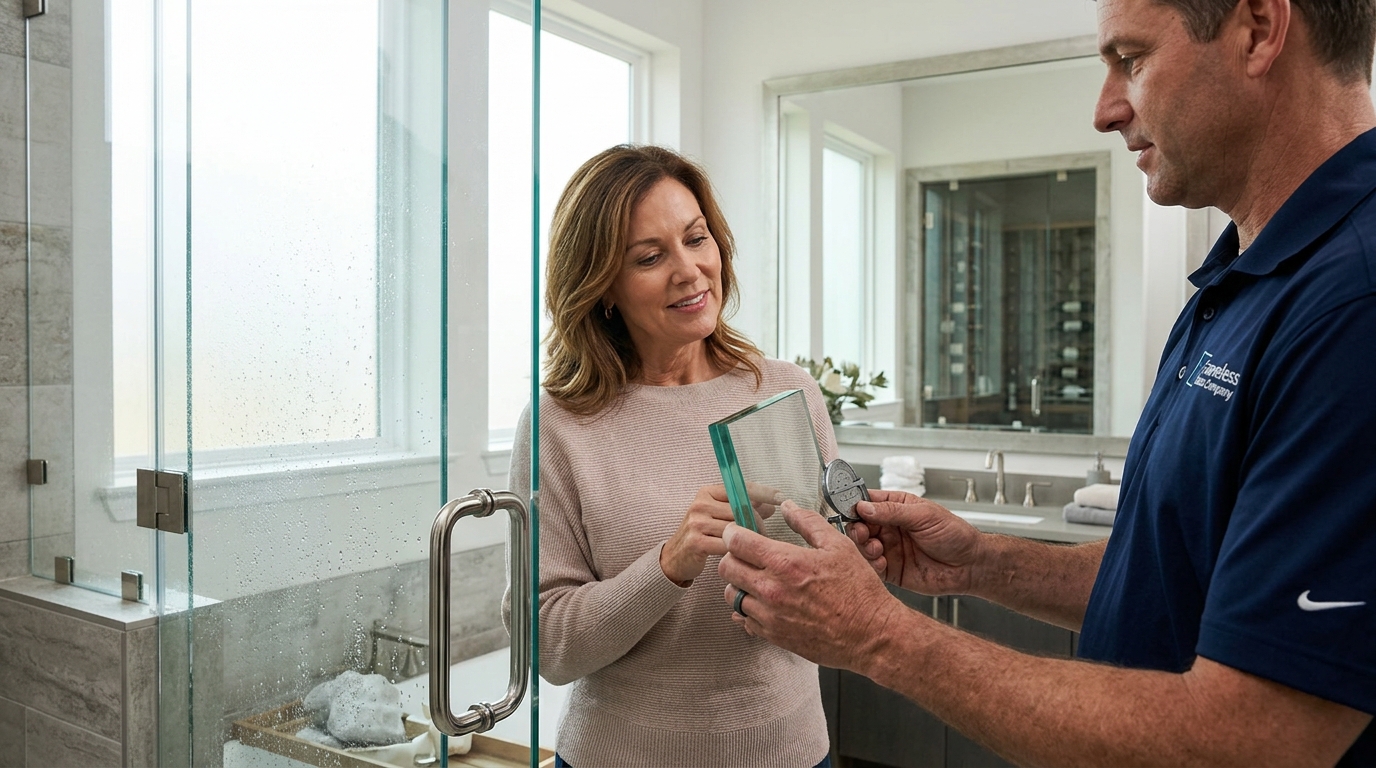
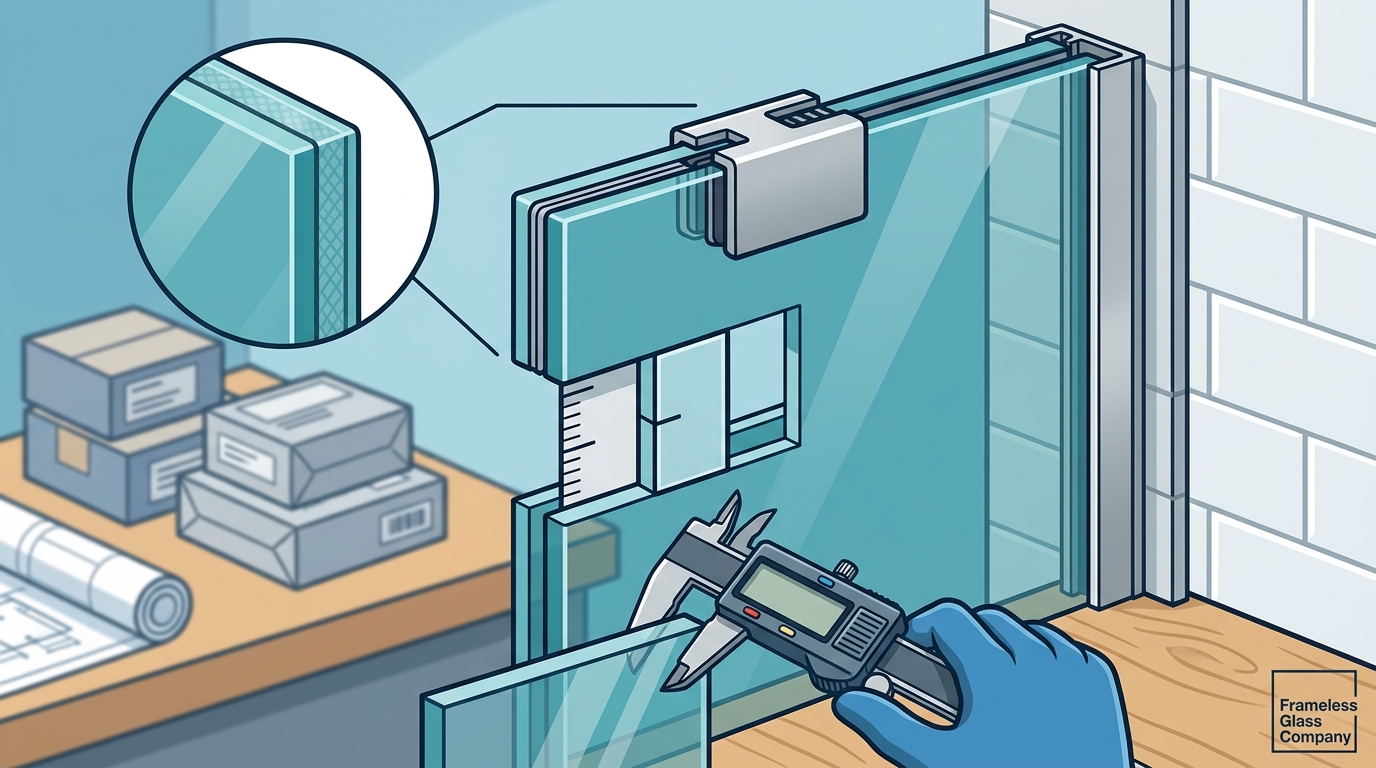
Frameless glass thickness is a critical safety metric that determines the structural integrity of shower enclosures. Standard residential frameless shower doors typically utilize tempered glass ranging from 3/8 inch to 1/2 inch in thickness. Thicker glass provides greater rigidity, which reduces flexing during operation and enhances the overall feel of the product. Homeowners should verify that the glass is tempered, as this process makes it four to five times stronger than standard annealed glass. If the glass breaks, it shatters into small, blunt pieces rather than sharp shards, significantly reducing injury risk. For additional details, review the 403 Forbidden.
Minimum Thickness Requirements
Tempering and Safety
Tempered glass is a heat-treated safety glass that is engineered to break in a controlled manner. This process involves heating the glass to a high temperature and then rapidly cooling it, which creates compressive stresses on the surface. The result is a material that is highly resistant to impact and thermal shock. When verifying glass specifications, homeowners should look for a certification mark or label on the glass indicating it has been tempered. This verification ensures that the product meets safety standards for use in wet environments like showers. For additional details, review the .
Hardware Weight Ratings
Hinge and Clamp Specifications
Handle and Pivot Points
Corrosion-Resistant Materials
Stainless Steel Grades
Finish and Coating
The finish of the hardware also plays a role in its durability. Polished, brushed, and matte finishes are common options for stainless steel hardware. These finishes not only enhance the aesthetic appeal of the enclosure but also provide an additional layer of protection against scratches and minor corrosion. Homeowners should verify that the finish is consistent with their bathroom design and that it is durable enough to withstand regular cleaning and use. For additional details, review the Customer Experience.
Installation Labor Inclusions
Measurement and Fabrication
Accurate measurement is the first step in the installation process. A professional installer will visit the site to take precise measurements of the shower area. These measurements are then used to fabricate the glass panels to the exact dimensions required. Homeowners should verify that the measurement process is included in the quote and that the fabrication is done by a reputable manufacturer. Custom fabrication ensures a perfect fit, which is critical for the performance and appearance of the enclosure. For additional details, review the Frequently Asked Questions.
Delivery and Professional Installation
Warranty Coverage
Warranty coverage protects homeowners against defects in materials and workmanship. A comprehensive warranty should cover both the glass and the hardware components. Homeowners should verify the duration and scope of the warranty, including what is covered and what is excluded. A longer warranty period indicates the manufacturer's confidence in the quality of their products. Homeowners should also ask about the process for making a warranty claim and what documentation is required. For additional details, review the About.
Materials and Workmanship
Exclusions and Limitations
Key Takeaways
- Verify that frameless glass is tempered and meets minimum thickness standards of 3/8 inch or 1/2 inch.
- Ensure hardware weight ratings exceed the actual weight of the glass door to prevent sagging and failure.
- Choose corrosion-resistant materials like 304 or 316 stainless steel for hardware in wet environments.
- Confirm that installation labor inclusions cover measurement, fabrication, delivery, and professional installation.
- Ask for specific model numbers and manufacturer specifications for all hardware components.
- Verify that the finish of the hardware is consistent with your bathroom design and durable enough for regular use.
Frequently Asked Questions
What is the standard thickness for frameless shower doors?
The standard thickness for frameless shower doors is typically 3/8 inch or 1/2 inch. Thicker glass provides greater rigidity and a more premium feel, but it also increases the weight of the door.
How do I verify the weight rating of shower hardware?
Is stainless steel the best material for shower hardware?
Yes, stainless steel is the best material for shower hardware due to its strength and resistance to corrosion. 304 and 316 grades are recommended for their superior durability in wet environments.
What should be included in the installation labor?
How long does a typical warranty last for frameless glass enclosures?
Warranties for frameless glass enclosures typically last between 1 and 10 years, depending on the manufacturer. Homeowners should verify the duration and scope of the warranty before making a purchase.
Can I use regular glass for a frameless shower door?
No, regular annealed glass is not suitable for frameless shower doors. Tempered glass is required because it is stronger and shatters into small, blunt pieces if it breaks, reducing the risk of injury.