

Homeowners must verify that frameless shower glass meets a minimum 3/8-inch thickness standard and that all hardware components carry explicit weight ratings for the specific glass size. This guide covers the critical specifications, material properties, and labor inclusions required for a safe and durable installation. Frameless Glass Company provides the technical expertise needed to navigate these requirements in Austin, Texas. For additional details, review the 403 Forbidden.
Glass Thickness Standards
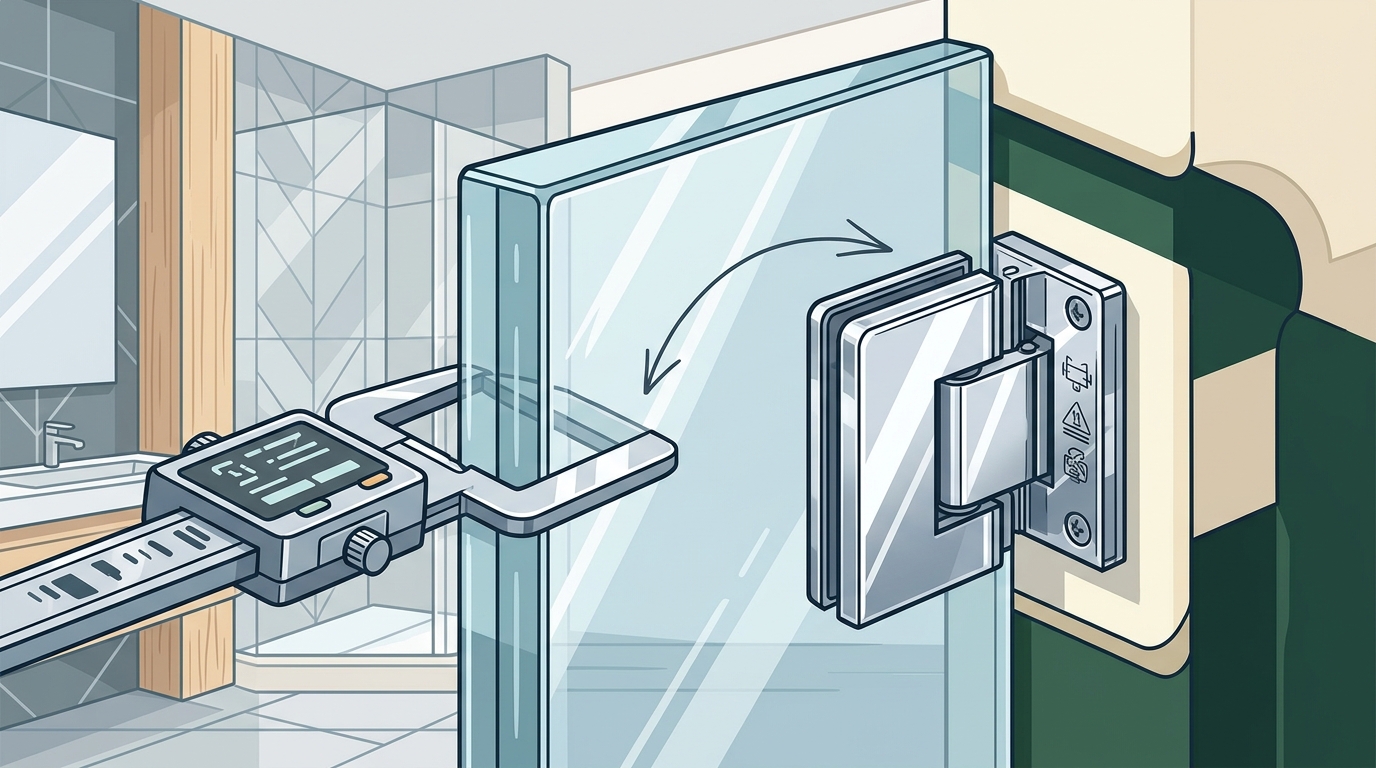
Frameless glass thickness is the measurement of the pane from one surface to the other, typically expressed in fractions of an inch. For residential shower enclosures, the industry standard is 3/8-inch tempered glass. This specific thickness provides the necessary rigidity to prevent excessive flexing during use. Thinner glass, such as 1/4-inch, is generally unsuitable for large frameless panels because it lacks the structural integrity required for safety. For additional details, review the .
Tempered Glass Requirements
Tempered glass is a type of safety glass processed by controlled heating and quenching to increase its strength. It is approximately four to five times stronger than standard annealed glass of the same thickness. When a tempered pane breaks, it shatters into small, blunt pieces rather than sharp shards, significantly reducing the risk of injury. Homeowners should always verify that the glass is certified as tempered, not just annealed. For additional details, review the Customer Experience.
Size and Thickness Correlation
The width of the glass panel directly impacts the required thickness. A standard 30-inch door may function well with 3/8-inch glass, but a wider 36-inch or 42-inch panel often requires 1/2-inch glass to maintain stability. Frameless Glass Company evaluates the specific dimensions of your shower to recommend the correct thickness. This ensures the door swings smoothly without bowing or vibrating. For additional details, review the Frequently Asked Questions.
Hardware Weight Ratings
Hinge Specifications
Handle and Clamp Integrity
Corrosion Resistant Materials
Corrosion resistance is the ability of a material to withstand chemical reactions, such as oxidation, when exposed to moisture and cleaning agents. In a shower environment, hardware is constantly exposed to water, soap, and humidity. Standard steel or lower-grade alloys will rust and corrode over time, compromising both the appearance and the structural integrity of the door. For additional details, review the About.
Stainless Steel Grades
Finish and Coating
The finish of the hardware, such as brushed nickel, matte black, or chrome, is applied to the stainless steel core. A high-quality finish should be durable and resistant to scratching and tarnishing. Frameless Glass Company selects hardware with finishes that are specifically designed for wet environments. This ensures that the hardware maintains its aesthetic appeal over time.
Installation Labor Inclusions
Measurement and Fitting
Accurate measurement is critical for a proper fit. The installer must account for any irregularities in the shower walls or floor. Frameless Glass Company provides a detailed measurement service to ensure that the custom glass is fabricated to the exact specifications. This minimizes the need for on-site adjustments and ensures a seamless installation.
Hardware Mounting
Mounting the hardware requires the correct tools and techniques. The installer must use the appropriate anchors for the wall material to ensure a secure hold. They must also torque the screws to the manufacturer's specifications to avoid over-tightening, which could crack the glass. Frameless Glass Company's technicians are trained in these specific mounting procedures to ensure a safe and durable installation.
Warranty Coverage
Warranty coverage is the guarantee provided by the manufacturer or installer that the product will perform as specified for a defined period. For frameless shower doors, the warranty typically covers defects in materials and workmanship. It is important to understand what is and is not covered. Most warranties do not cover damage caused by improper use, accidental breakage, or normal wear and tear.
Manufacturer vs. Installer Warranty
The manufacturer's warranty covers the glass and hardware components. The installer's warranty covers the labor and the quality of the installation. Frameless Glass Company provides a comprehensive warranty that covers both the product and the installation. This gives homeowners peace of mind, knowing that any issues will be addressed promptly and professionally.
Claim Process
The claim process should be straightforward and clearly outlined in the warranty documentation. Homeowners should keep their warranty documents and installation records in a safe place. If an issue arises, they should contact the installer or manufacturer with the necessary information to initiate a claim. Frameless Glass Company is committed to resolving any warranty issues efficiently and fairly.
Key Takeaways
- Verify that frameless shower glass is at least 3/8-inch thick and tempered for safety.
- Ensure all hardware components have explicit weight ratings that exceed the door's weight.
- Select 304-grade stainless steel or higher for hardware to prevent corrosion.
- Review the warranty coverage to understand what is included for both product and labor.
- Work with a specialized provider like Frameless Glass Company for expert guidance and installation.
Frequently Asked Questions
What is the minimum thickness for frameless shower glass?
The minimum thickness for most residential frameless shower doors is 3/8-inch tempered glass. Larger panels may require 1/2-inch glass to ensure structural stability.
Why is tempered glass required for frameless showers?
Tempered glass is required because it is significantly stronger than standard glass and shatters into small, blunt pieces if broken, reducing the risk of injury.
What grade of stainless steel is best for shower hardware?
304-grade stainless steel is the standard for residential shower hardware. 316-grade is recommended for coastal or high-humidity environments.
How much does a frameless shower door weigh?
A typical 3/8-inch frameless shower door weighs between 50 and 100 pounds, depending on its dimensions. The hardware must be rated to support this weight.
What is included in professional installation labor?
What does a frameless shower door warranty cover?
A warranty typically covers defects in materials and workmanship. It usually does not cover damage from improper use or accidental breakage.
How often should I inspect my frameless shower hardware?
It is recommended to inspect the hardware for signs of loosening or corrosion every six months. Tighten any loose screws and clean the hardware regularly.
Can I install a frameless shower door myself?
While it is possible to install a frameless shower door yourself, it is recommended to hire a professional. Proper installation requires precise measurement and specific tools to ensure safety and durability.
Conclusion
Verifying glass thickness and hardware inclusions is essential for a safe and durable frameless shower installation. By understanding the standards for tempered glass, hardware weight ratings, and corrosion resistance, homeowners can make informed decisions. Frameless Glass Company is dedicated to providing expert guidance and high-quality installations in Austin, Texas. today to schedule a consultation and ensure your shower meets all safety and aesthetic requirements.